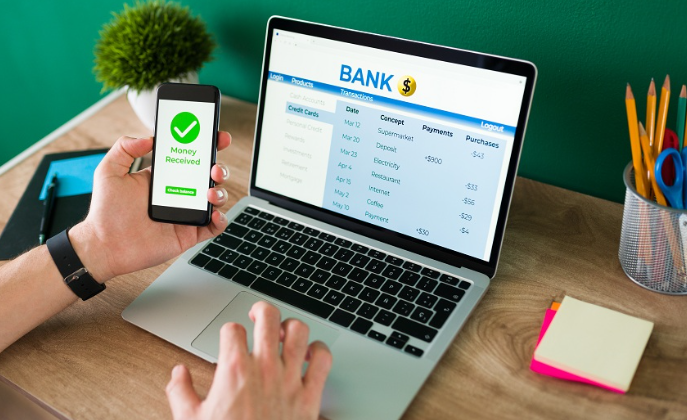
How Student-Focused Loan Apps Are Changing Access to Credit

For many years, students had very limited access to formal credit. Traditional lending systems were usually designed for salaried employees, business owners, or borrowers with established credit histories. Students often found themselves excluded because they lacked income records, employment history, or extensive financial documentation. The growth of the best loan app for students category is changing that situation by creating borrowing solutions designed specifically for younger users and their financial realities.
Student-focused loan apps are not simply smaller versions of regular lending products. They are built around the unique needs, challenges, and financial behaviour of students. As digital lending continues to expand across India, these platforms are helping many young borrowers access credit in ways that were previously difficult or unavailable.
Student Credit Needs Are Different
Students often face financial needs that differ from those of working professionals.
Common student expenses include:
- Exam fees
- Course enrolments
- Study materials
- Books
- Hostel expenses
- Travel
- Internet bills
- Laptop repairs
- Project costs
- Emergency expenses
These expenses are often relatively small but urgent.
Traditional lending products were not always designed to address such short-term borrowing requirements.
Student-focused loan apps aim to fill that gap.
Traditional Lending Often Excluded Students
Historically, many students struggled to qualify for credit because lenders typically looked for:
- Stable employment
- Salary slips
- Long credit history
- Existing banking relationships
- Higher income levels
Most students could not provide these requirements.
As a result, they often relied on:
- Family support
- Friends
- Informal borrowing
- Delayed payments
- Personal savings
Digital lending platforms have helped create alternative pathways to evaluate student borrowers.
Technology Made Student Lending More Practical
The rise of smartphones, digital banking, and online verification systems made student-focused lending easier to deliver.
Today, students can often:
- Complete applications online
- Submit KYC digitally
- Track applications through apps
- View repayment schedules
- Receive funds electronically
- Repay through digital payment methods
This convenience has made borrowing more accessible for many young users.
The expansion of India’s digital lending ecosystem has been supported by increasing adoption of digital financial services and technology-driven lending models. (economictimes.indiatimes.com)
Students Can Access Smaller Loan Amounts
One important difference between student loan apps and traditional personal loans is loan size.
Many students do not need large amounts.
They may need funds for:
- Semester expenses
- Emergency travel
- Temporary shortages
- Study-related purchases
- Monthly living expenses
Smaller borrowing options often align more closely with student requirements than larger traditional loan products.
This flexibility has contributed to the popularity of student-focused lending platforms.
Credit Access Begins Earlier
Student lending apps are introducing many young adults to formal credit for the first time.
For some borrowers, these apps represent:
- Their first loan application
- Their first repayment obligation
- Their first interaction with credit reporting systems
- Their first experience with digital lending
This early exposure can help students understand how borrowing works before they enter full-time employment.
It can also encourage stronger financial awareness when managed responsibly.
Digital Verification Has Reduced Barriers
Traditional loan processes often required significant paperwork.
Student-focused digital platforms frequently use:
- Online KYC
- PAN verification
- Bank account verification
- Mobile number authentication
- Digital document submission
The uploaded reference document explains how digital verification systems help accelerate identity verification, reduce paperwork, and streamline lending decisions.
These improvements have made smaller student-focused loans operationally feasible.
Students Are Becoming More Comfortable With Digital Finance
Younger users are already familiar with digital services.
Many students regularly use:
- UPI
- Mobile banking
- Digital wallets
- Online payments
- Subscription services
- E-commerce platforms
As a result, digital borrowing feels like a natural extension of existing financial behaviour.
This familiarity has helped drive adoption of app-based lending products.
Borrowing Decisions Are Becoming More Independent
Student-focused loan apps allow young borrowers to manage certain financial decisions independently.
This can be useful in situations involving:
- Unexpected expenses
- Academic deadlines
- Emergency requirements
- Temporary funding gaps
Instead of relying entirely on others for short-term support, students may have additional financial options available.
However, this independence also comes with responsibility.
Borrowers must understand that every loan eventually requires repayment.
Financial Inclusion Is Expanding
One of the broader effects of student-focused lending is improved access to financial services.
Many young adults previously had limited interaction with formal credit systems.
Student lending products help introduce:
- Credit awareness
- Repayment discipline
- Financial planning
- Digital financial literacy
This may contribute to broader financial inclusion over time.
The growth of digital lending is helping expand credit access to segments that were previously underserved by traditional lending systems.
Repayment Behaviour Matters Early
One important aspect of student lending is that repayment behaviour can have long-term implications.
Students should understand:
- Missed payments matter
- Due dates should be tracked carefully
- Borrowing should remain manageable
- Multiple loans can create pressure
- Responsible repayment builds credibility
A small loan today may influence future borrowing opportunities.
Developing good repayment habits early can be beneficial later in life.
Loan Apps Are Simplifying the User Experience
Student-focused apps often invest heavily in ease of use.
Features may include:
- Simple onboarding
- Mobile-first interfaces
- Clear dashboards
- Loan tracking
- Payment reminders
- In-app support
- Fast application journeys
These design choices help make borrowing less intimidating for first-time users.
However, ease of use should never replace careful decision-making.
Students should still review all terms before accepting any loan.
Educational Expenses Remain a Major Use Case
Many student borrowers use credit for education-related purposes.
Examples include:
- Examination fees
- Online certifications
- Skill development courses
- Academic materials
- Project requirements
- Technology purchases
Access to small amounts of credit can help students manage timing gaps between educational expenses and available funds.
This flexibility has become increasingly relevant as education-related costs continue to evolve.
Student Lending Is Not Meant for Lifestyle Spending
One challenge with easier credit access is the temptation to borrow for non-essential spending.
Students should be cautious about borrowing for:
- Impulse purchases
- Luxury items
- Unnecessary subscriptions
- Entertainment expenses
- Social pressure spending
Credit works best when used for genuine needs rather than discretionary purchases.
Responsible borrowing remains critical regardless of how easy the application process becomes.
Transparency Has Become More Important
As student lending grows, borrowers are paying greater attention to transparency.
Students should always review:
- Interest charges
- Processing fees
- GST
- Penalty charges
- Repayment dates
- Total repayment amounts
A loan should never be accepted simply because approval is fast.
Understanding the complete cost remains essential.
Borrowers Are Researching More Before Applying
Students increasingly compare multiple options before making borrowing decisions.
Factors often evaluated include:
- Eligibility
- Approval speed
- Charges
- Customer reviews
- Repayment flexibility
- User experience
- Customer support
This research-driven approach helps borrowers make more informed decisions.
It also encourages greater competition among lending platforms.
Regulatory Awareness Is Increasing
Borrowers are becoming more aware of the importance of using regulated lending platforms.
Students should understand:
- Who the lending partner is
- How data is handled
- What permissions the app requests
- Whether terms are clearly disclosed
- How complaints are managed
Regulatory oversight and borrower protection have become increasingly important topics within India’s digital lending environment.
Awareness helps students avoid potentially unsafe lending practices.
The Role of Financial Literacy
The growth of student lending has highlighted the importance of financial education.
Students should understand:
- How interest works
- Why repayment timing matters
- How fees affect total cost
- Why budgeting is important
- How credit history may be affected
Borrowing knowledge is often just as important as borrowing access.
Platforms that help users understand these concepts can support healthier financial behaviour.
Challenges Still Exist
Despite progress, student lending is not without challenges.
Common concerns include:
- Overborrowing
- Poor budgeting
- Missed repayments
- Financial stress
- Lack of borrowing experience
- Misunderstanding loan terms
Access to credit solves one problem, but responsible usage remains essential.
The goal should be financial flexibility, not financial dependence.
Questions Students Should Ask Before Borrowing
Before accepting a loan, students should consider:
- Do I genuinely need this loan?
- Can I repay comfortably?
- What is the total repayment amount?
- Are all charges disclosed clearly?
- Is the lender transparent?
- What happens if repayment is delayed?
- Am I borrowing for a need or a want?
These questions often prevent poor borrowing decisions.
The Future of Student Lending
Student-focused lending is likely to continue evolving through:
- Better personalization
- Improved risk assessment
- Faster verification
- Stronger borrower protection
- More educational content
- Enhanced digital experiences
As financial technology develops further, student borrowers may gain access to even more flexible and transparent credit options.
At the same time, responsible borrowing practices will remain just as important.
Final Word
Student-focused loan apps are changing access to credit by helping younger borrowers participate in the formal lending ecosystem earlier than previous generations. Through digital verification, mobile-first experiences, smaller loan sizes, and simplified application processes, these platforms are making credit more accessible for students with genuine financial needs.
The best loan app for students is not necessarily the one with the fastest approval. It is the one that combines transparency, responsible lending practices, clear repayment terms, strong customer support, and borrower education.
As access to student credit continues to expand, informed borrowing decisions will remain the key to using these financial tools effectively and responsibly.